Pygoscelis antarcticus
Chinstrap Penguin
Named for the thin black line under their chin — like a helmet strap. Among the most aggressive and vocal of all penguins.
The Helmet-Strap Penguin
The Chinstrap Penguin (Pygoscelis antarcticus) wears what looks like a thin black helmet fastened under the chin — the feature that gives the species its name. Clean white faces and that unmistakable strap make it one of the most visually distinctive penguins in Antarctica.
Chinstraps are closely related to the Adélie and Gentoo — the three together form the Pygoscelis (“brush-tailed”) genus, all breeding on the Antarctic Peninsula and surrounding islands.
Personality: Loud and Fearless
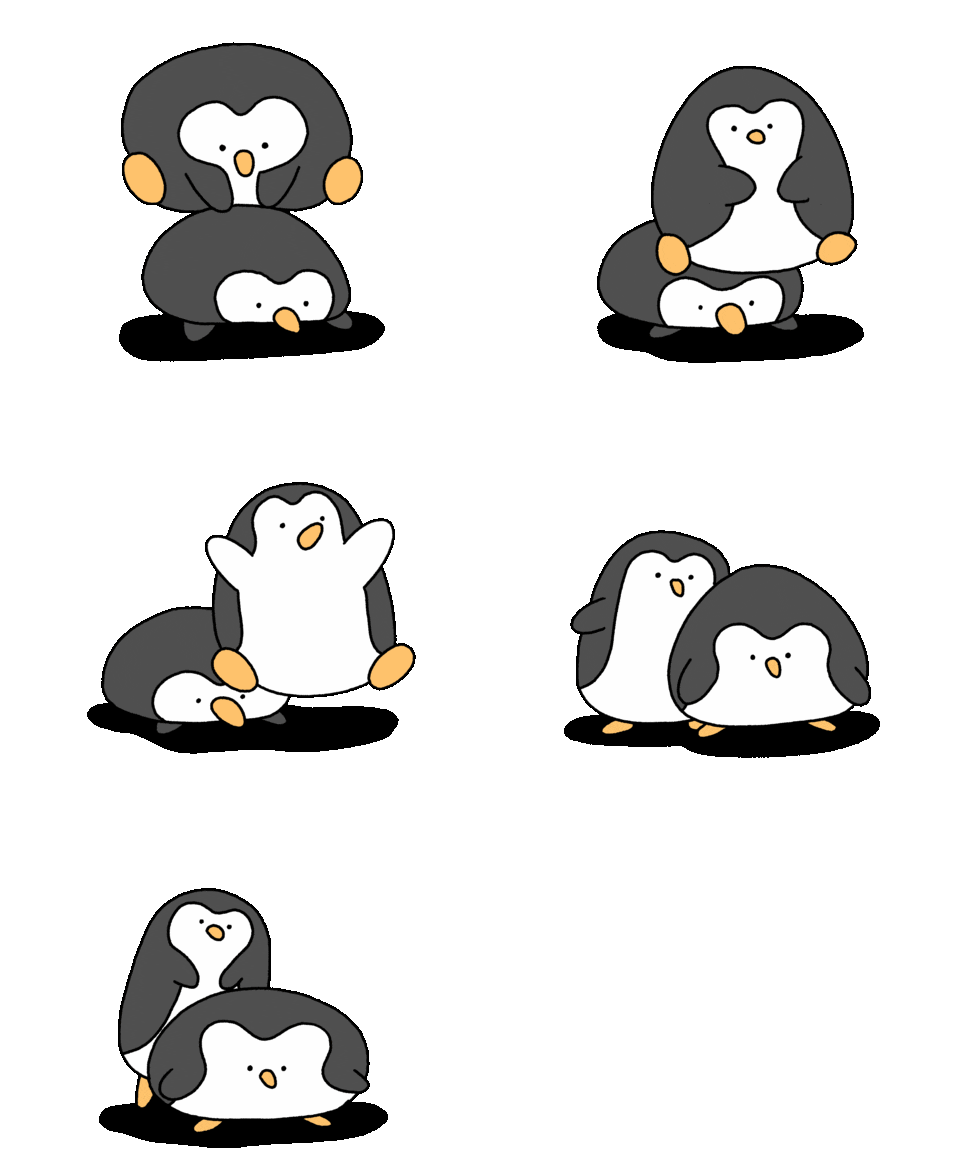
Chinstraps have a reputation. Researchers describe them as the most aggressive of all penguins — both toward rivals and toward humans who approach too close. They vocalise constantly, with a harsh, grating call, and will peck and flipper-slap with surprising force.
During the breeding season, males engage in ecstatic displays — standing upright, pointing the bill skyward, and trumpeting — to attract or maintain bond with their mate.
Breeding
- Nests are built from small stones — theft between neighbours is constant and combative
- Two eggs are laid; both parents share incubation in shifts of 5–10 days
- Chicks crèche together for warmth after about 3 weeks
- Fledging occurs around 50–60 days after hatching
Population and Trends
With an estimated 8 million individuals, the Chinstrap is currently Least Concern. However, some major colonies — particularly on Elephant Island — have shown steep declines of up to 77% since the 1970s, linked to reductions in Antarctic krill driven by sea-ice loss.
Long considered stable, the Chinstrap is now under closer scrutiny as krill stocks respond to rapid warming of the Southern Ocean.
Where to see them: Half Moon Island and Deception Island in the South Shetlands are among the most accessible Chinstrap colonies, reached by Antarctic Peninsula cruises.